Mar
30
2013
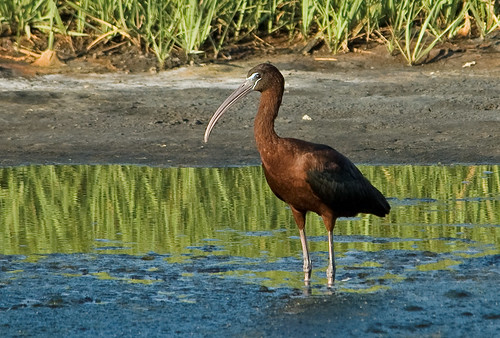
- Ibis, Spoonbills & Storks
- Family: Threskiornithidae
- # of Ibis Species: 4
- # of Spoonbill Species: 1
- # of Stork Species: 2
- # of Flamingo Species: 1
- Species Seen / Photographed: 5 / 4
This selection of wading birds is known for their long legs and specialized bills, predominantly long and designed to dig into the muck to find their prey. More gregarious than many of the herons, they can often be seen in large flocks. Continue reading
1 comment | tags: Best Birds, Birding | posted in Birding
May
2
2011
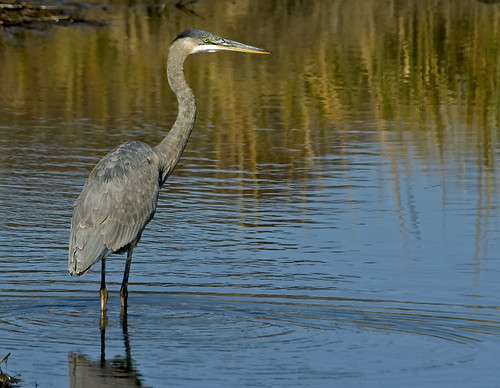
- Herons, Egrets & Bitterns
- Family: Ardeidae
- # of Heron Species: 4
- # of Night-Heron Species: 2
- # of Egret Species: 4
- # of Bittern Species: 2
- Species Seen / Photographed: 12 / 10
This group of birds are common visitors to most wetlands and watery areas in our country. Their large size and noticeable behavior makes them recognizable to even many non-birders. They run a wide variety of sizes from the smaller white egrets to the larger Great Blue Heron, and a range of habits from the open fishing habits of the GBH to the more secretive lifestyles of both species of bitterns. Similar in form, they represent a mostly common set of feeding habits, focused mostly on fish but taking opportunities for a wide variety of other prey including small mammals, reptiles, amphibians and anything else that gets too close to their large bills. Continue reading
no comments | tags: Best Birds, Bitterns, Egrets, Herons, night-heron | posted in Birding, Photography
Apr
13
2011
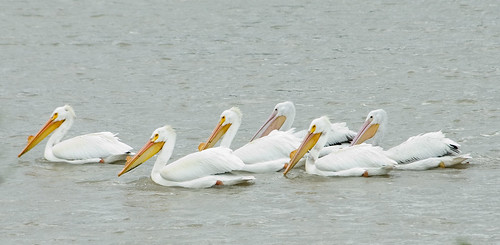
- Pelicans, Anhinga, Cormorants & Gannets
- Families:Pelecanidae (Pelicans), Anhingadae (Anhingas), Phalacrocoracidae (Cormorants), Sulidae (Gannets & Boobies), Fregatidae (Frigatebirds)
- # of Species: 14
- Species Seen / Photographed: 8 / 8
The Pelecaniformes are probably the most diverse group on this list, encompassing 5 families of distinct birds. The whole group consists of fish-eating birds who live and spend a majority of their time in or around water, across the United States. I’ve been lucky enough to see a large number of them although I’ve yet to have a quantifiable ID of any of those in Sulidae yet. Continue reading
no comments | tags: Anhinga, Best Birds, Birding, Booby, Cormorant, Frigatebird, Gannet, Pelican | posted in Birding, Photography
Apr
9
2011
Next up on the list are what I call the “Tubenoses”: Albatross, petrels, shearwaters and storm-petrels.
- Tubenoses: Albatross, Petrels, Shearwaters and Storm-Petrels
- Families:Diomedeidae, Procellariidae and Hydrobatidae
- # of Albatross Species: 2
- # of Petrel Species: 4
- # of Shearwater Species: 5
- # of Storm-petrel Species: 6
- Species Seen / Photographed: 0 / 0
The “Tubenoses” are a group of pelagic birds who spend much of their lives in open water, rarely coming to shore except to nest. There ranges tend to keep them away from most birders who aren’t willing to board a ship, except during migration or when storms force them toward land. Unfortunately, that has resulted in me not having seen a single species in this group – I am fairly sure I was a storm-petrel in North Carolina on evening but can’t be sure.
Sigh… one of these days…
no comments | tags: albatross, Best Birds, Birding, petrel, shearwater, storm-petrel, tubenoses | posted in Birding, Photography
Apr
9
2011
Next up on the list are the GREBES.
- Grebes
- Family:Podicidpedidae
- # of Species: 7
- Species Seen / Photographed: 5 / 5
Grebes are found throughout the United States, primarily in marshy and coastal areas. Pied-billed Grebes are the most common of the group, the only species that can be found in all states at some point of the year. The majority of the grebe species breed at least partially in Canada, with only the Clark’s Grebe and Least Grebe breeding only in the U.S., the latter restricted to only a few specific locations in the Lower Rio Grande Valley of southern Texas.
I’ve always enjoyed grebes, although there only few times I get to see them other the most common pied-billed grebes.
Continue reading
no comments | tags: Best Birds, Birding, grebes | posted in Birding, Photography
Mar
23
2011
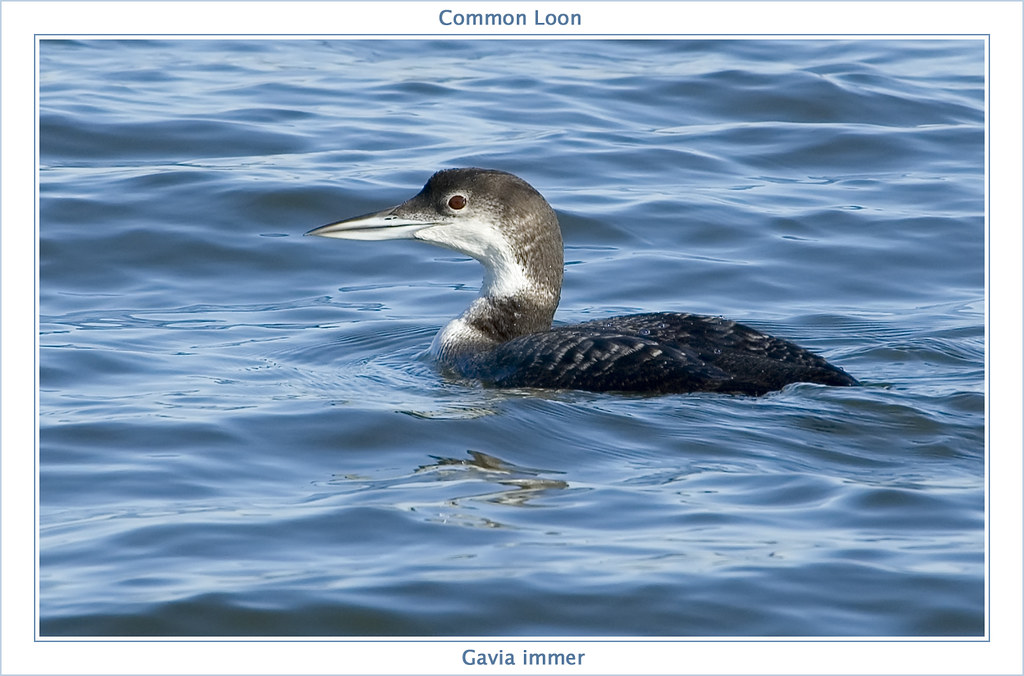
Best of the Birds I – Loons
The first category of birds in the guide is the LOONS.
- Loons
- Family: Gavidae
- # of Species: 5
- Species Seen / Photographed: 3 / 3
Loons are primary northern birds, with 4 of the 5 species spending the majority of their time in northern climates (Maine, Washington, Canada). For me, the majority of my loon sightings are at Barnegat Light, where I have seen quite a number of Common Loons and Red-throated Loons. Common loons are just what the name implies – the more commonly seen version, and the source of the famous loon call heard in many movies.
Continue reading
no comments | tags: Best Birds, Birding, loons | posted in Birding, Photography
Mar
9
2011
I want to be more active on this blog, and to do that, I’m going to try to post a collection of my bird photography on a semi-daily basis, using the Sibley Field Guide to Birds as the guide to the order I present them in. Hopefully, doing at least that limited post will stimulate me to write more in general, both here an on my UX blog (which I really need to work on).
Here is my list as I’ll tackle it over the next few months. Continue reading
1 comment | tags: Best Birds, Birding | posted in Birding, Photography